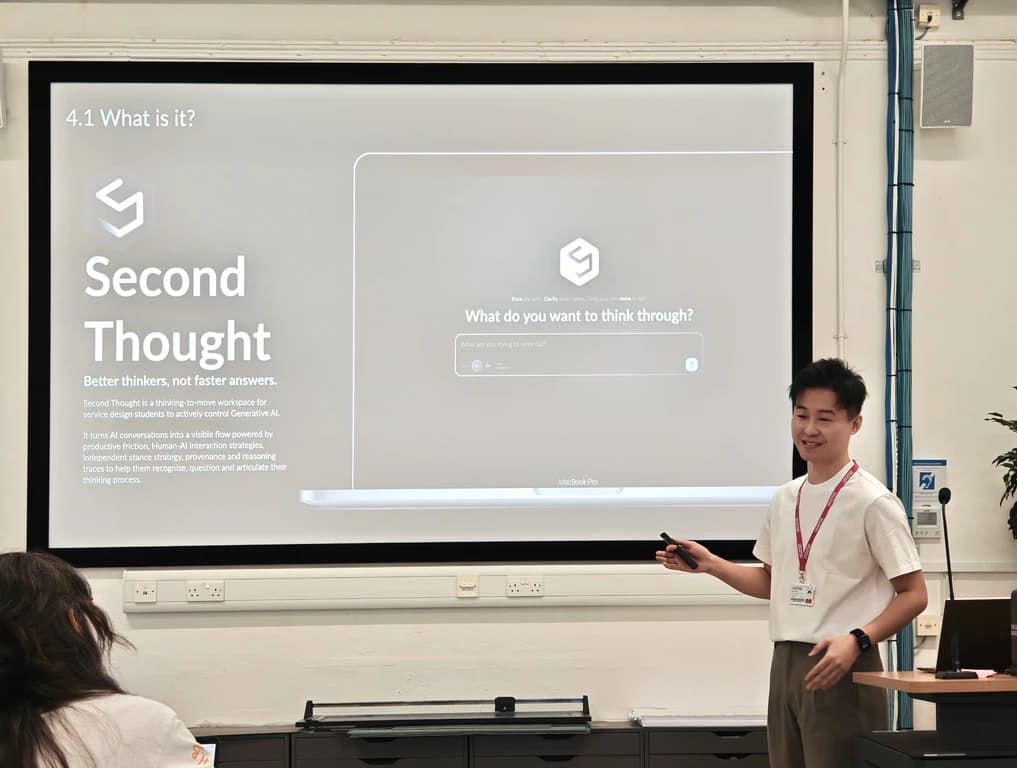
Second Thought
A spatial Human–AI reasoning workspace that makes context, contribution and judgement visible — so people can think with AI without simply handing the thinking over.
Read Case Study Preview Report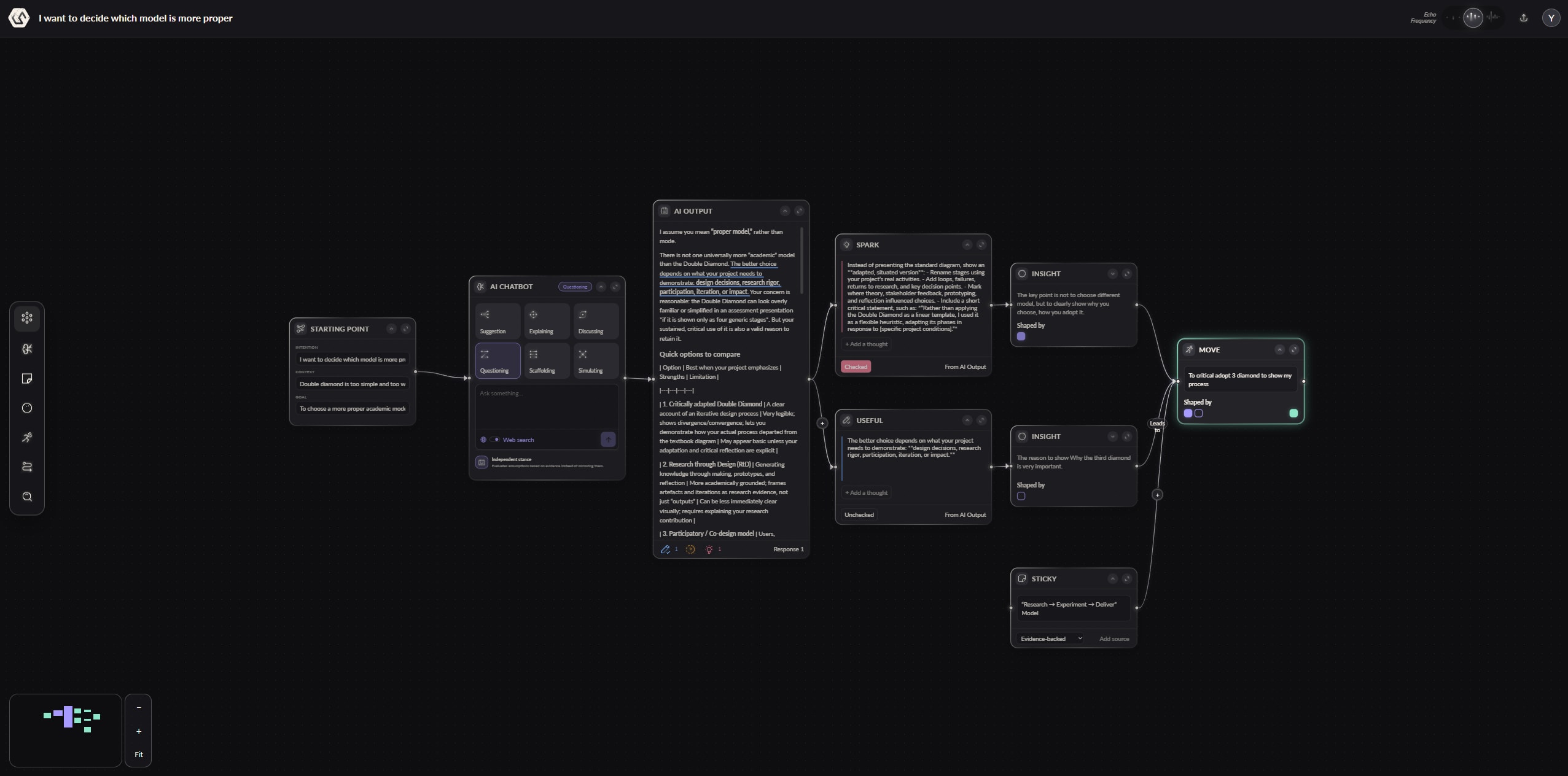

I combine evidence from real-world practice with emerging methods and AI to turn complex, ambiguous challenges into clear product directions — then build and evaluate human-led, AI-enabled products and workflows from 0→1.
Selected examples of how I combine research, product thinking and prototyping to turn complex problems into products, services and AI-enabled workflows.
A spatial Human–AI reasoning workspace that makes context, contribution and judgement visible — so people can think with AI without simply handing the thinking over.
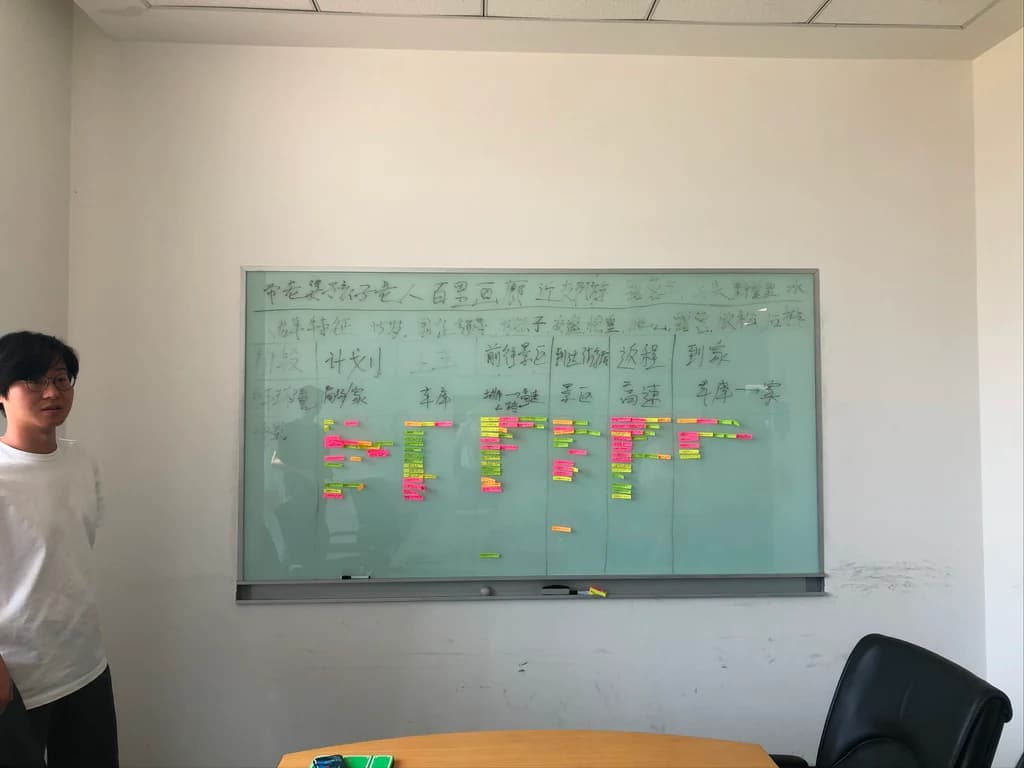
Read Case Study Preview ReportReframed a fragmented visitor-experience challenge into a low-frequency, high-value B2B strategic retreat — combining AI-enhanced evidence analysis with multi-stakeholder decision making.
Preview Report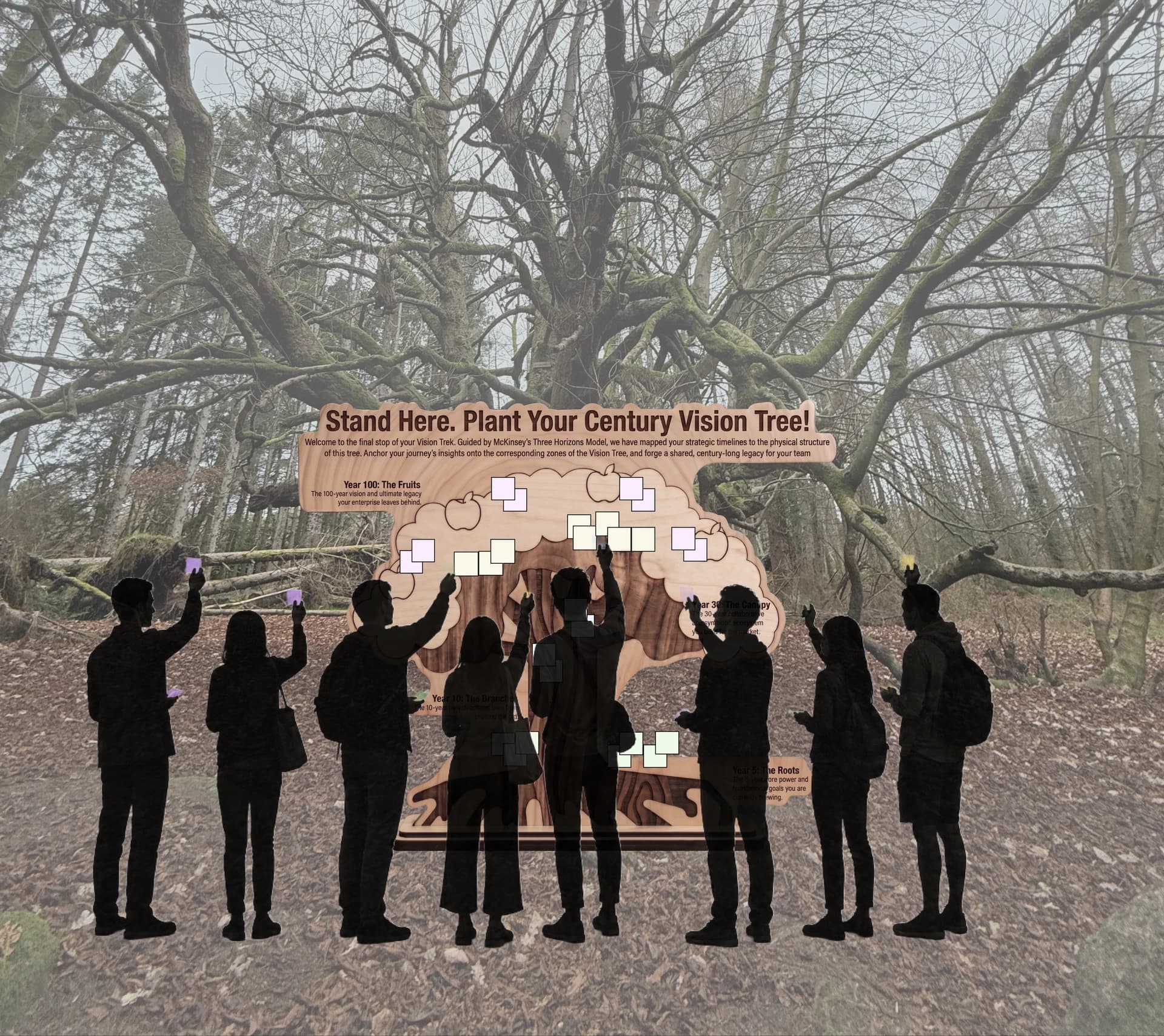
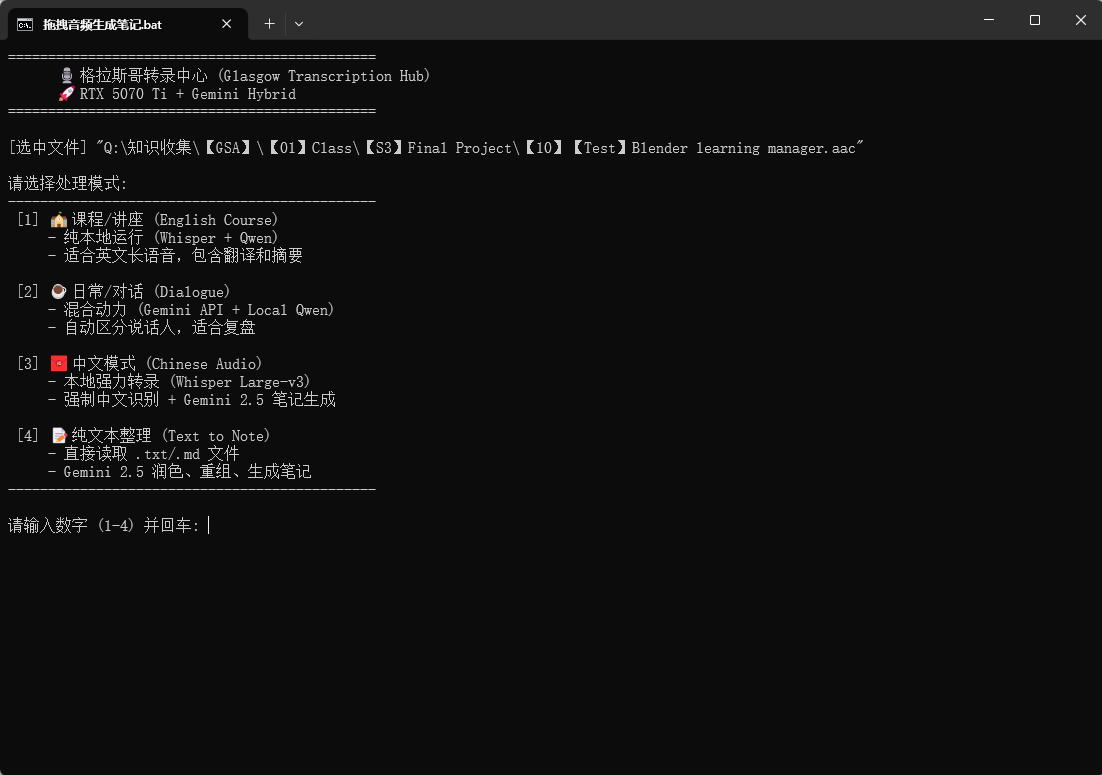
Turned a real language and learning challenge into a local-first AI workflow for transcription, translation and post-class review — used across 45+ lectures, tutorials and interviews.
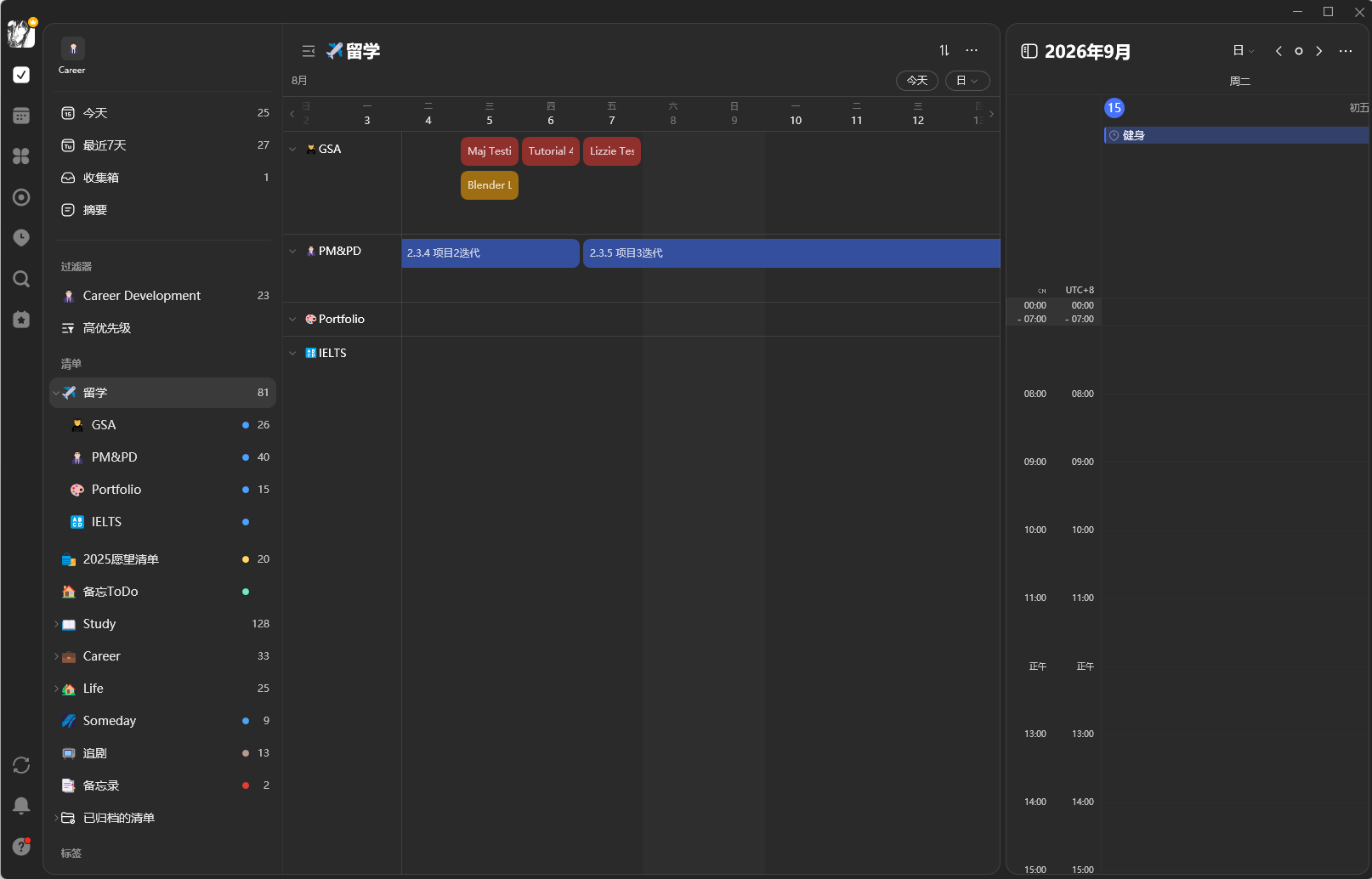
I’ve used GTD and task managers for years. The harder problem isn’t capture, but turning changing commitments into executable plans across today, this week and longer horizons. I’m exploring how AI can support clarification, decomposition, replanning and retrospective learning while leaving priority and commitment decisions to the user.
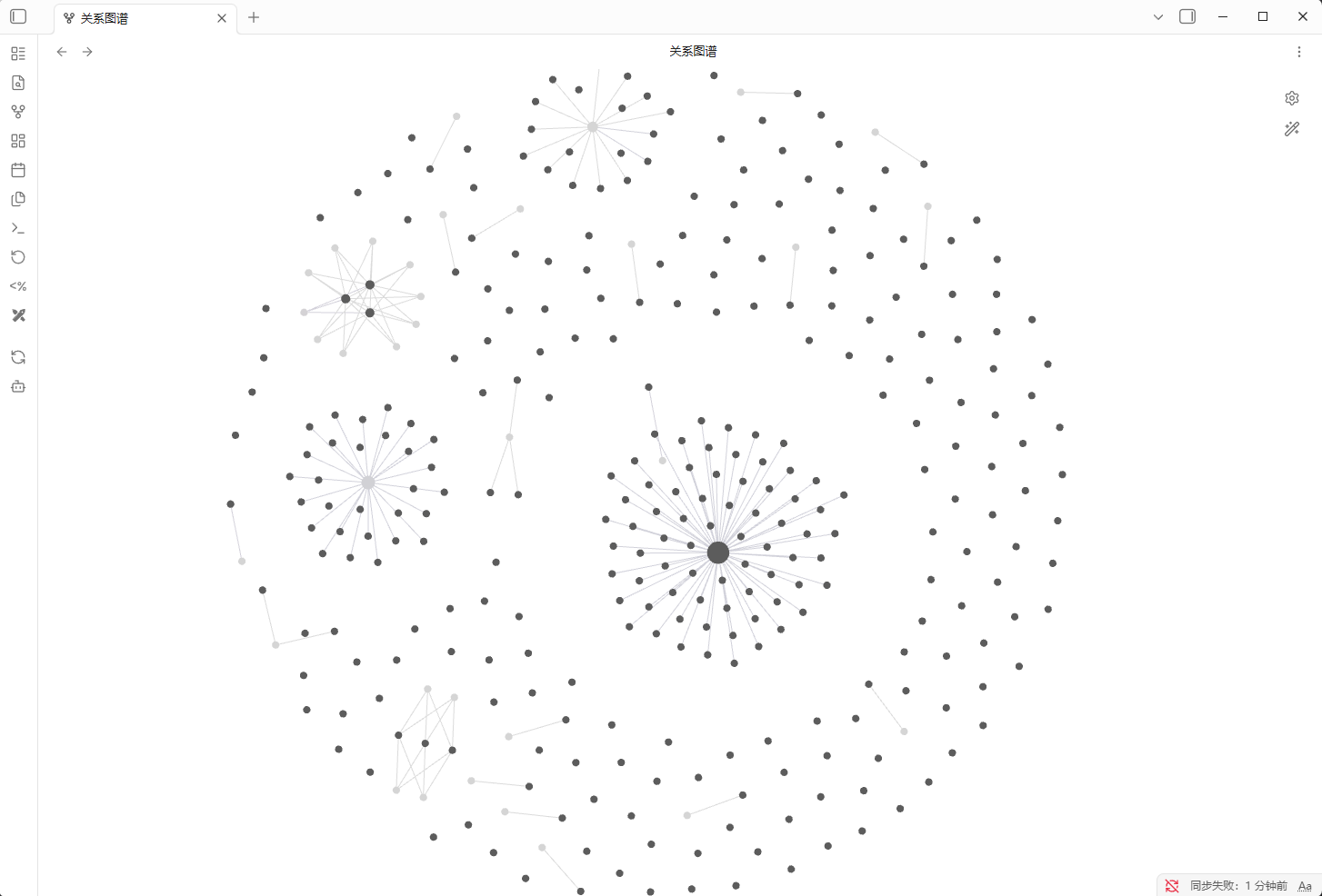
I’m exploring a local-first workspace that turns scattered sources into reusable knowledge, project memory and active AI context. The goal is to keep knowledge moving from source → application → experience → knowledge again, with traceable retrieval and optional local or cloud AI.
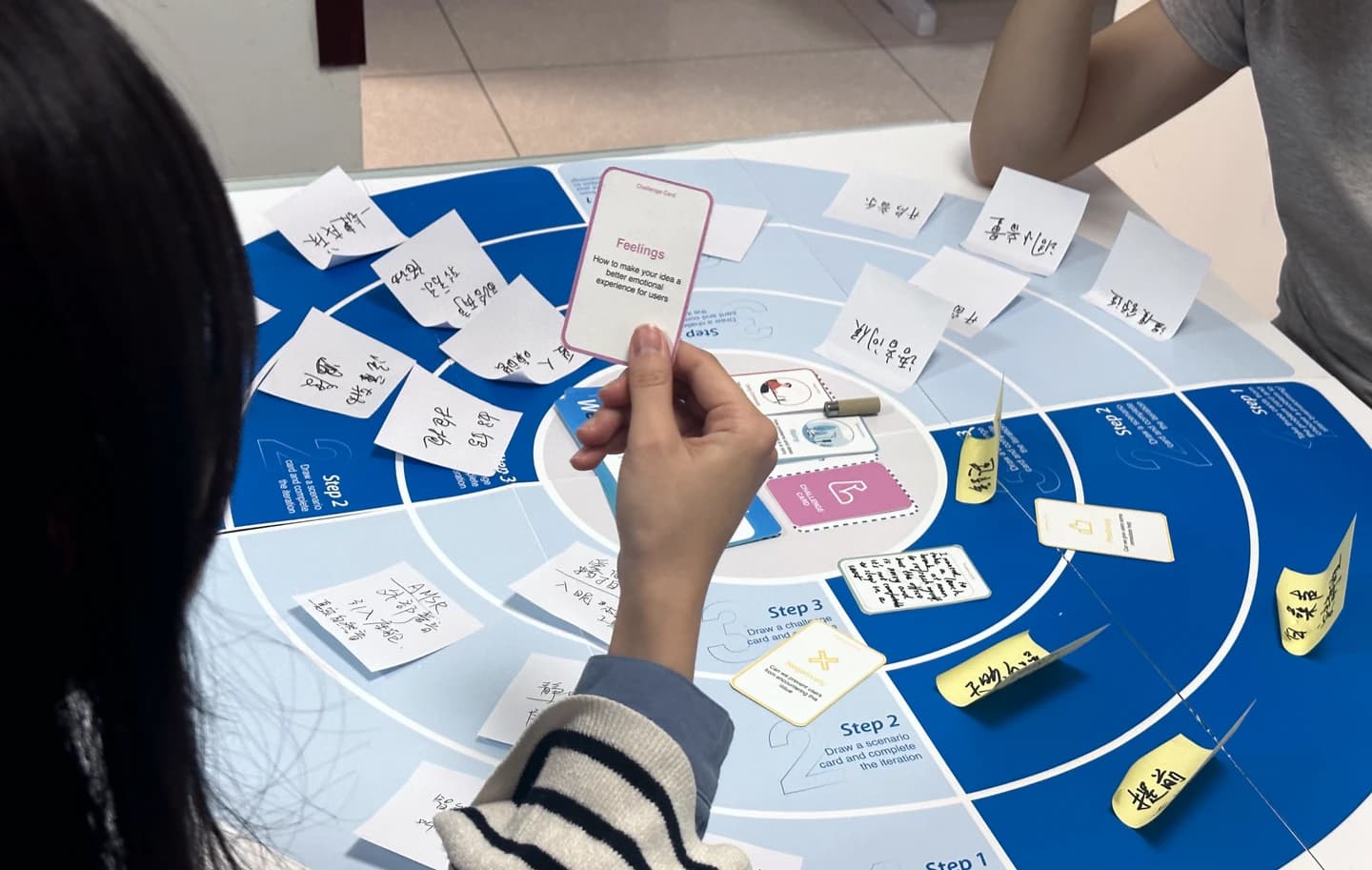
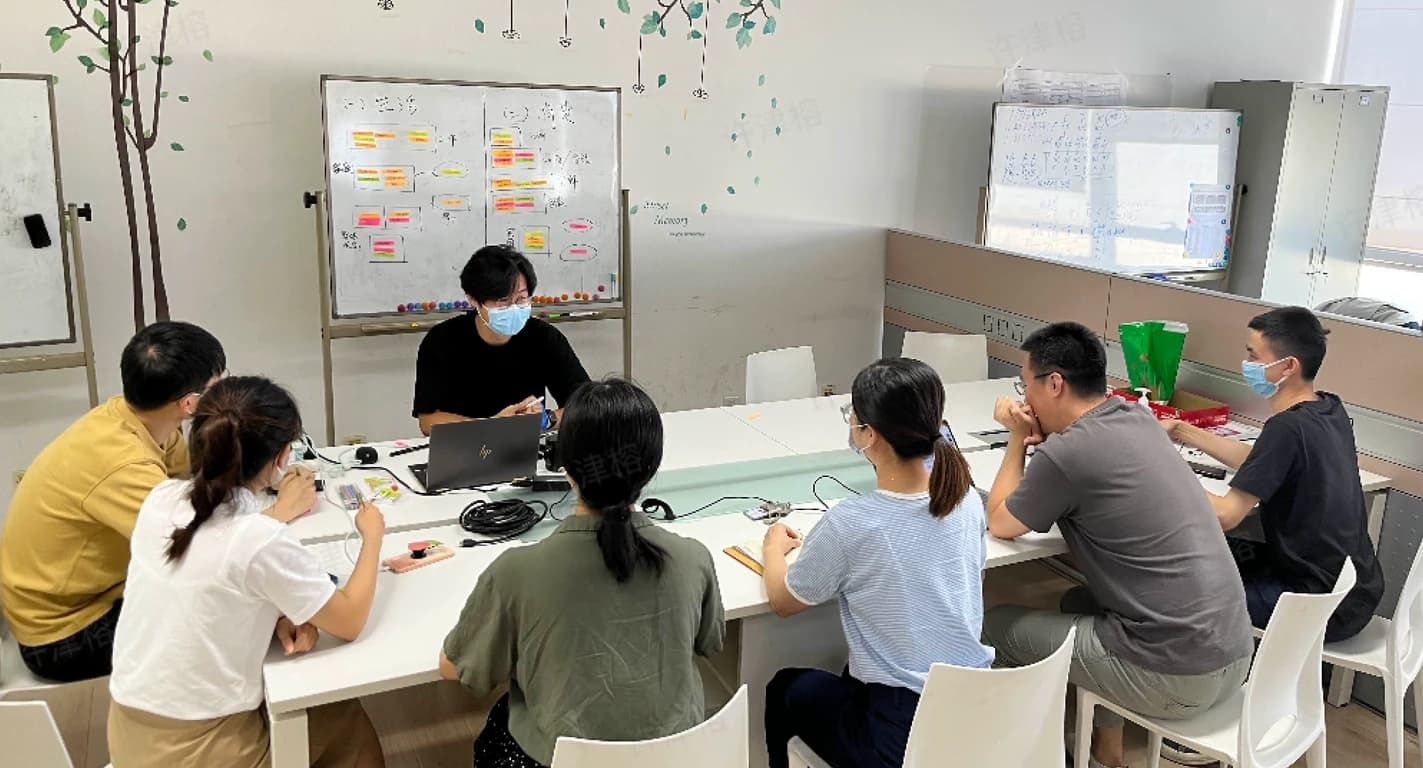
A physical facilitation toolkit for externalising knowledge, supporting divergent thinking and structuring cross-functional automotive workshops.
Preview Report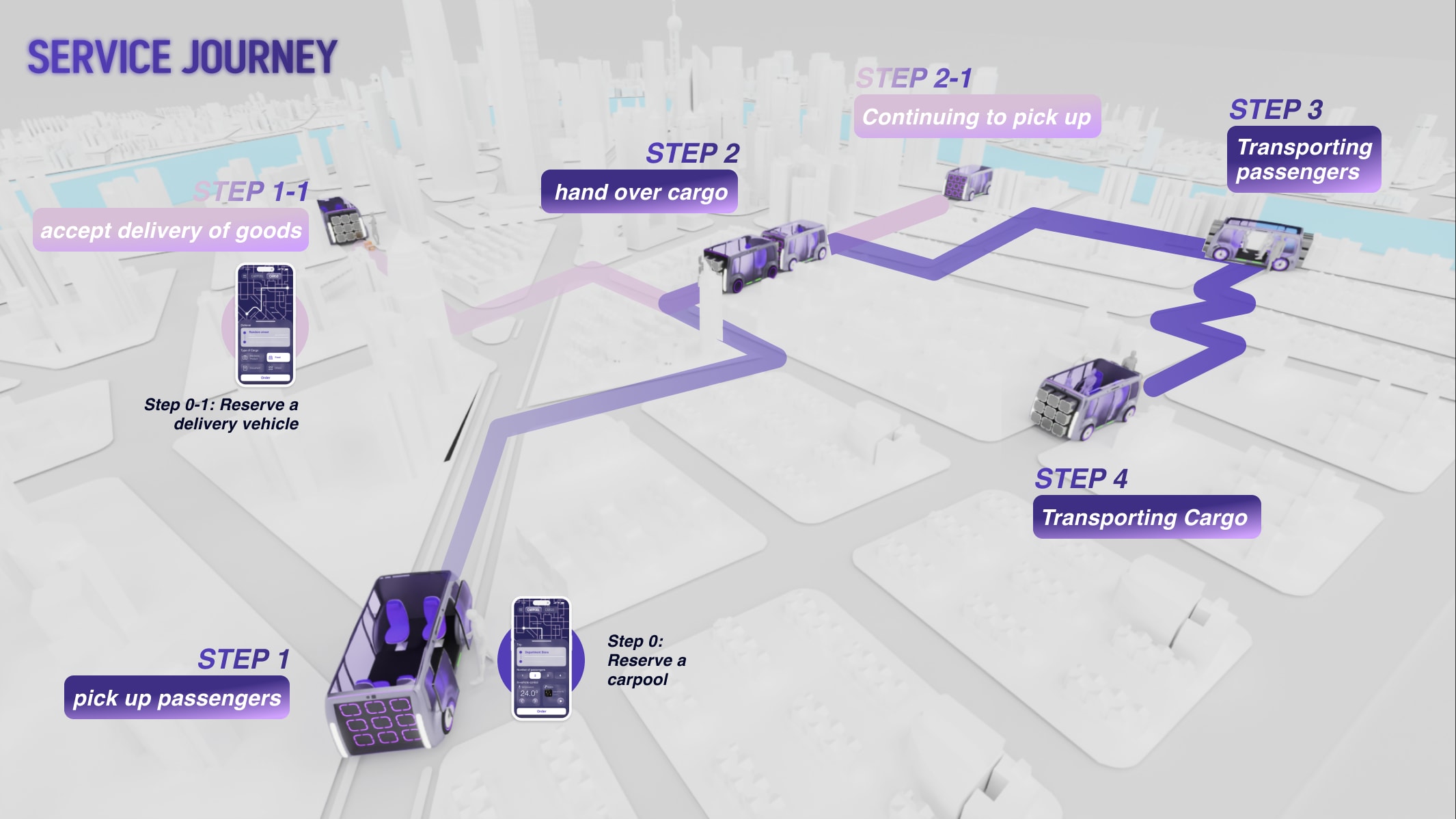
A speculative autonomous-mobility service exploring how shared passenger and parcel flows could reshape urban transportation.
Preview Report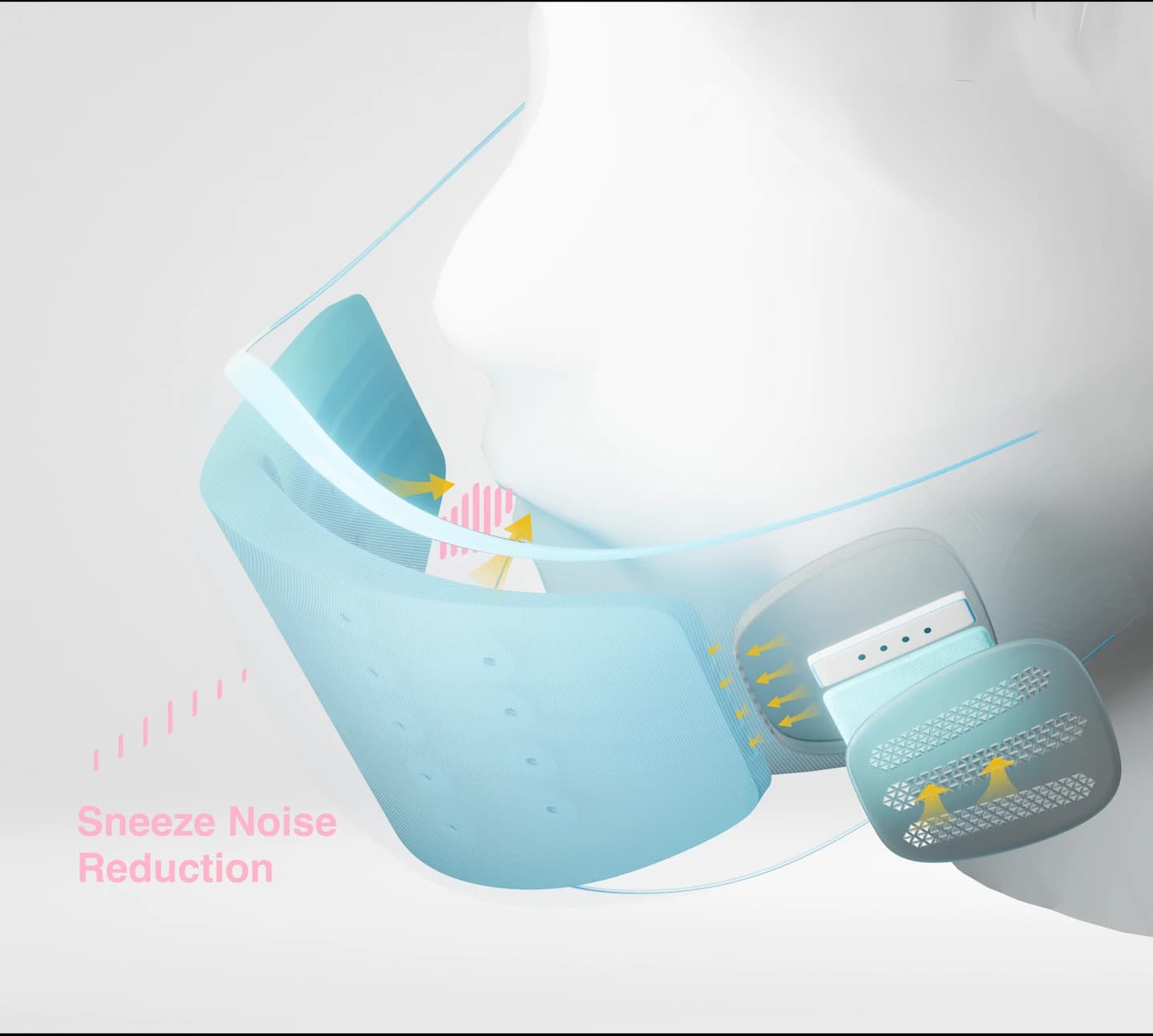
A physical–digital concept for children living with rhinitis, combining user research, product prototyping, electronics and an app-based service experience.
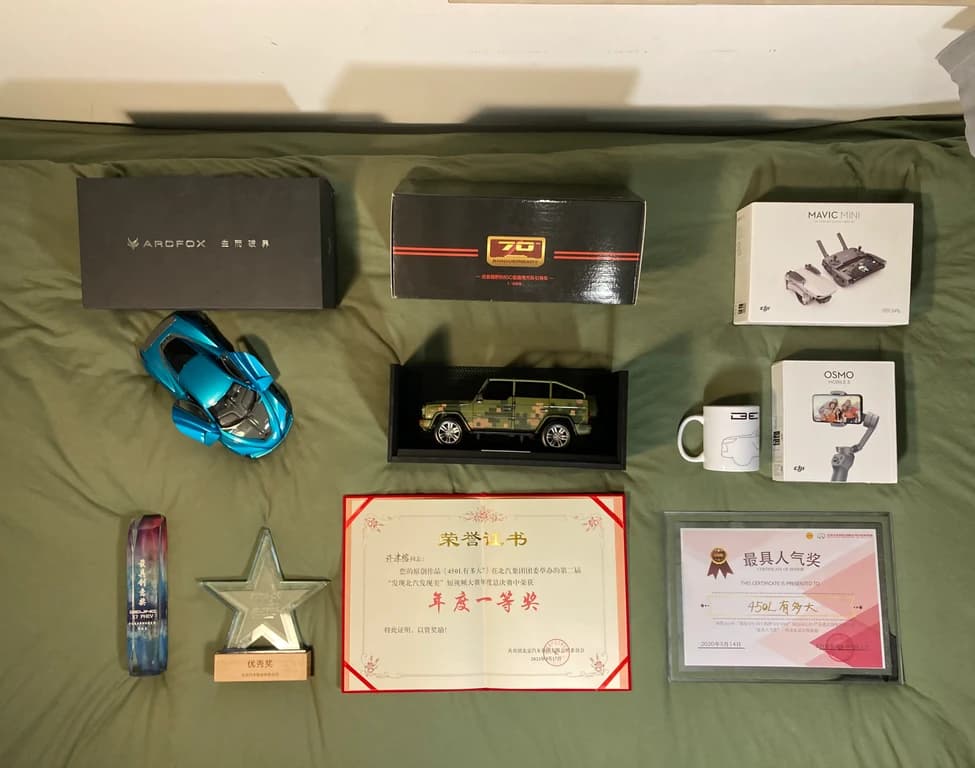
Preview ReportI spent five years in automotive R&D turning user and scenario research into product inputs. Wanting to move closer to what actually gets built — and take more ownership from insight to action — led me into service design and eventually Human–AI products.
Today I work across research, product thinking and prototyping, especially on complex workflows where AI can extend capability without replacing human judgement.
I make assumptions, tensions and unknowns visible before committing to a solution.
I like turning abstract ideas, research and hidden ways of thinking into structures people can actually use — a product mechanism, workflow, tool or experience.
I don’t treat AI as an add-on. I redesign workflows around what humans and AI are each best suited for — combining models, tools, context and evaluation while keeping consequential judgement human-owned.
I build early enough to learn from reality, reflect on what worked and what didn’t, then improve not only the solution but the way the next problem gets solved.
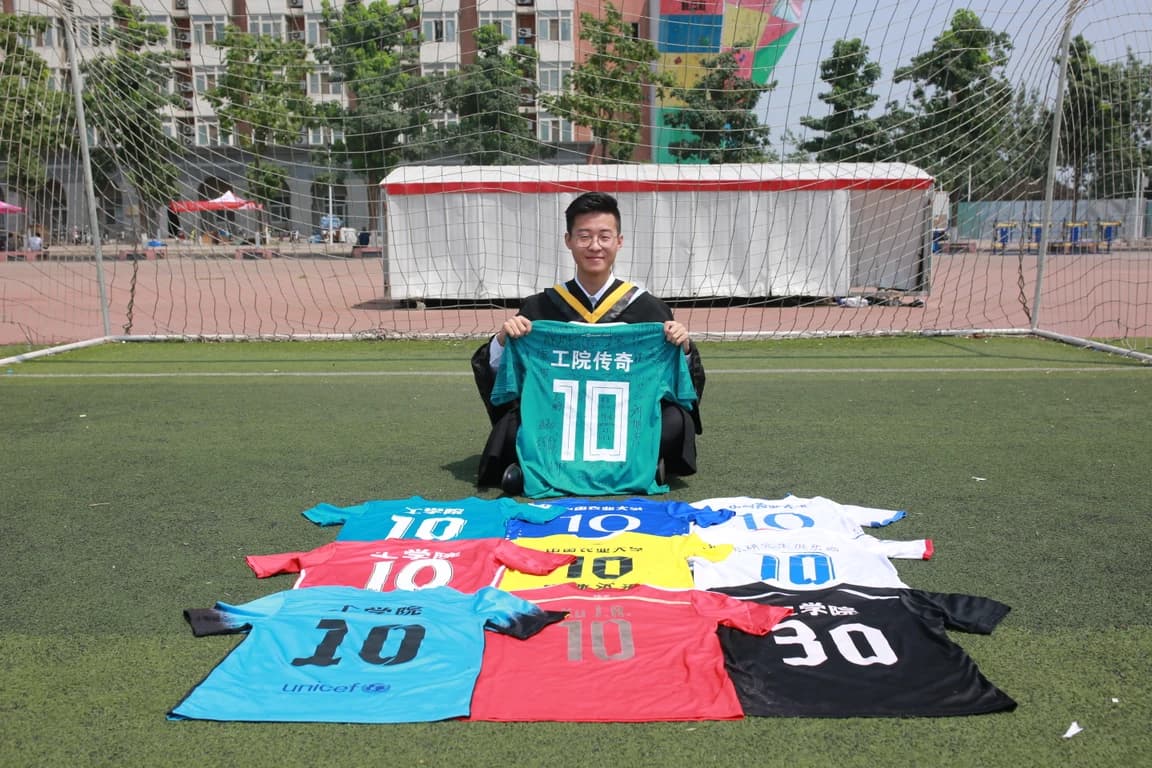
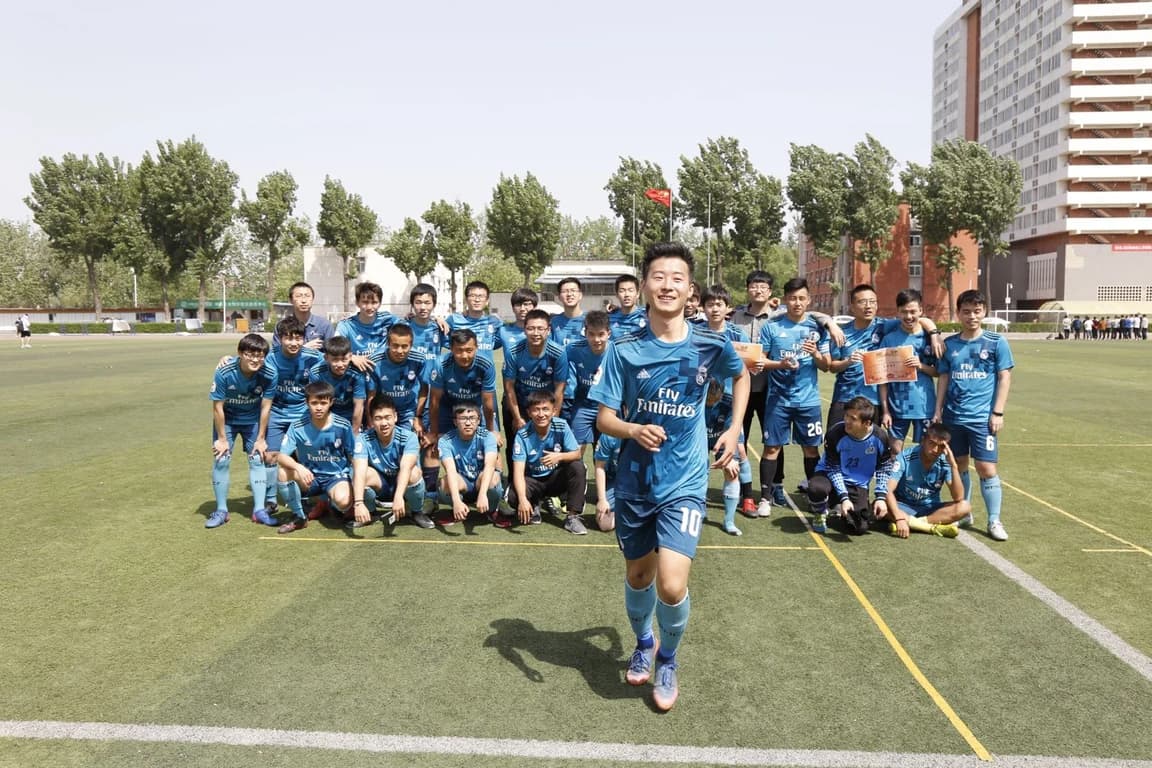
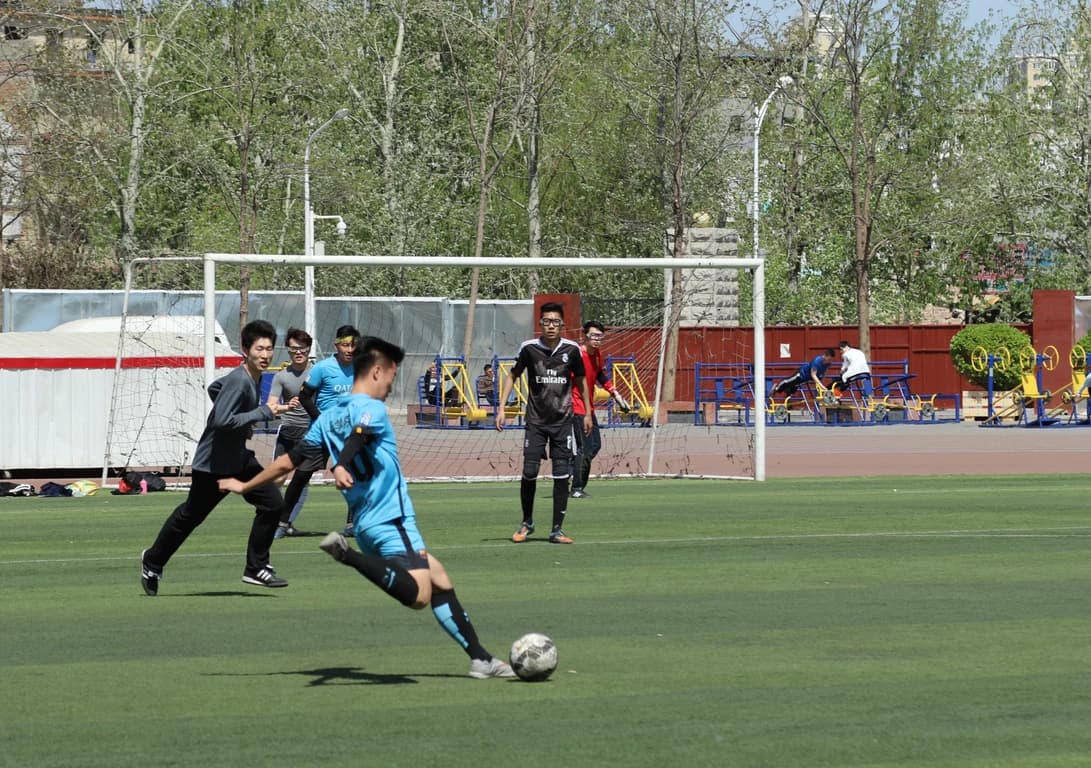
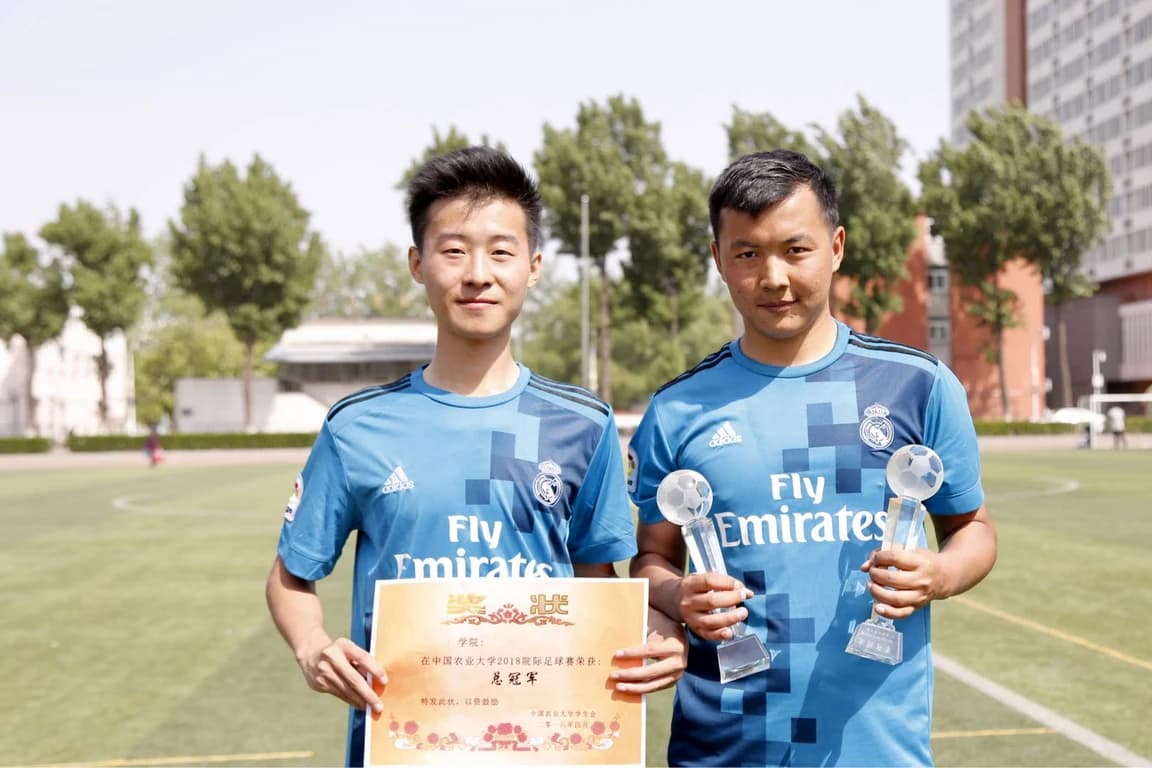
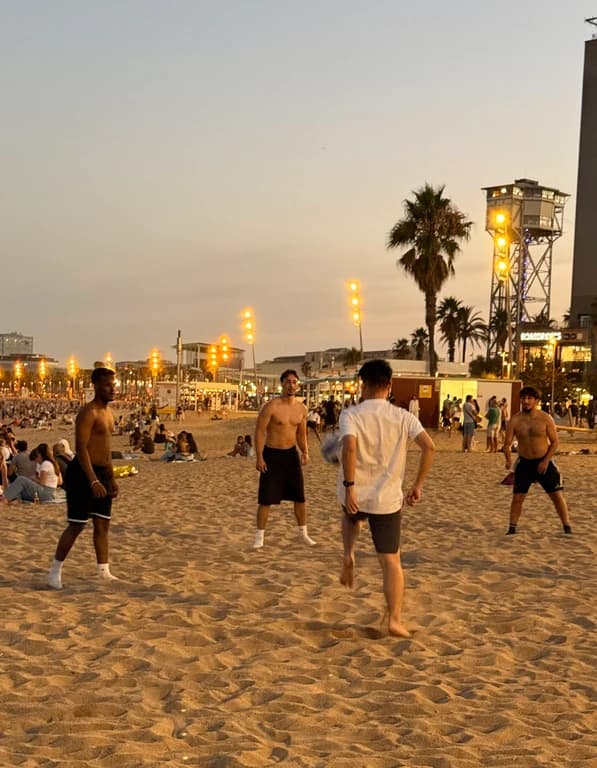
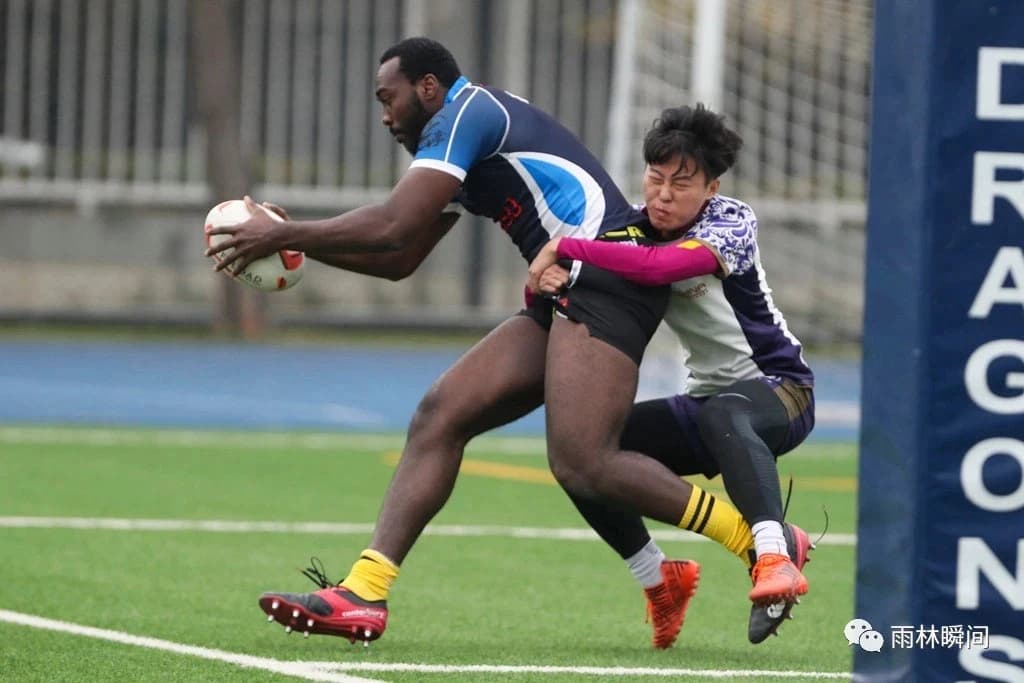
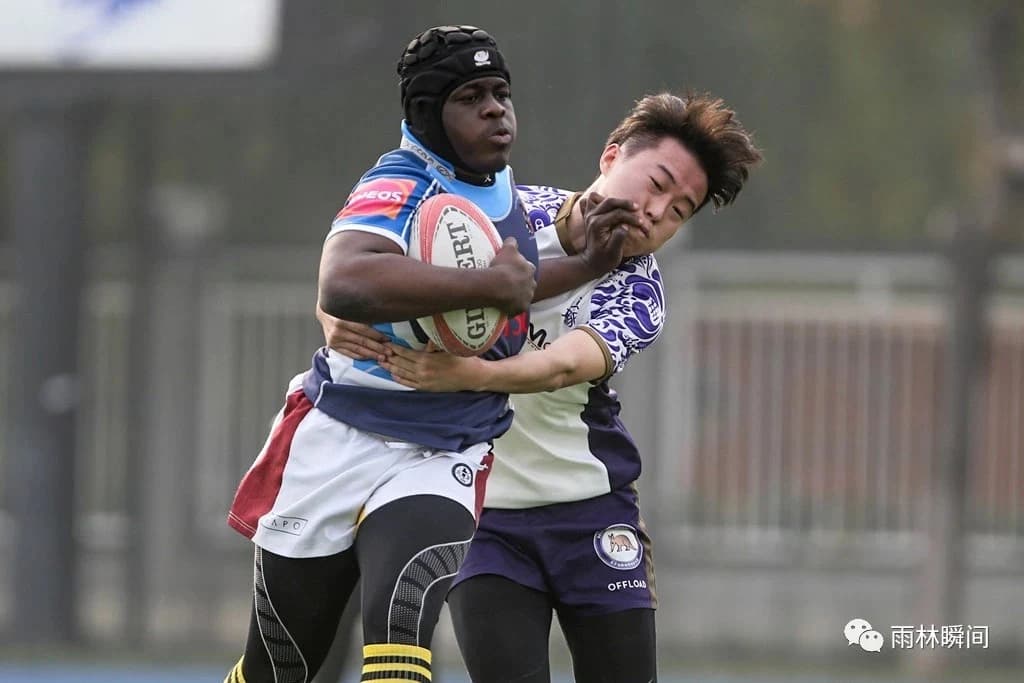
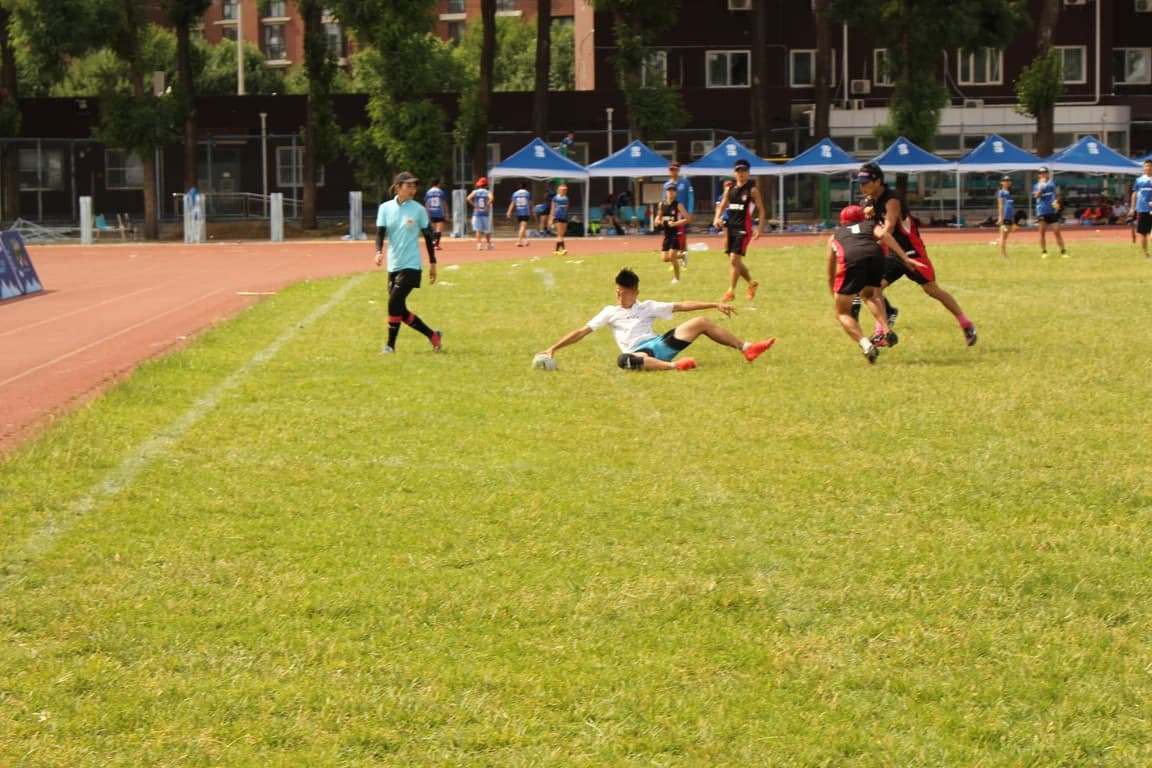
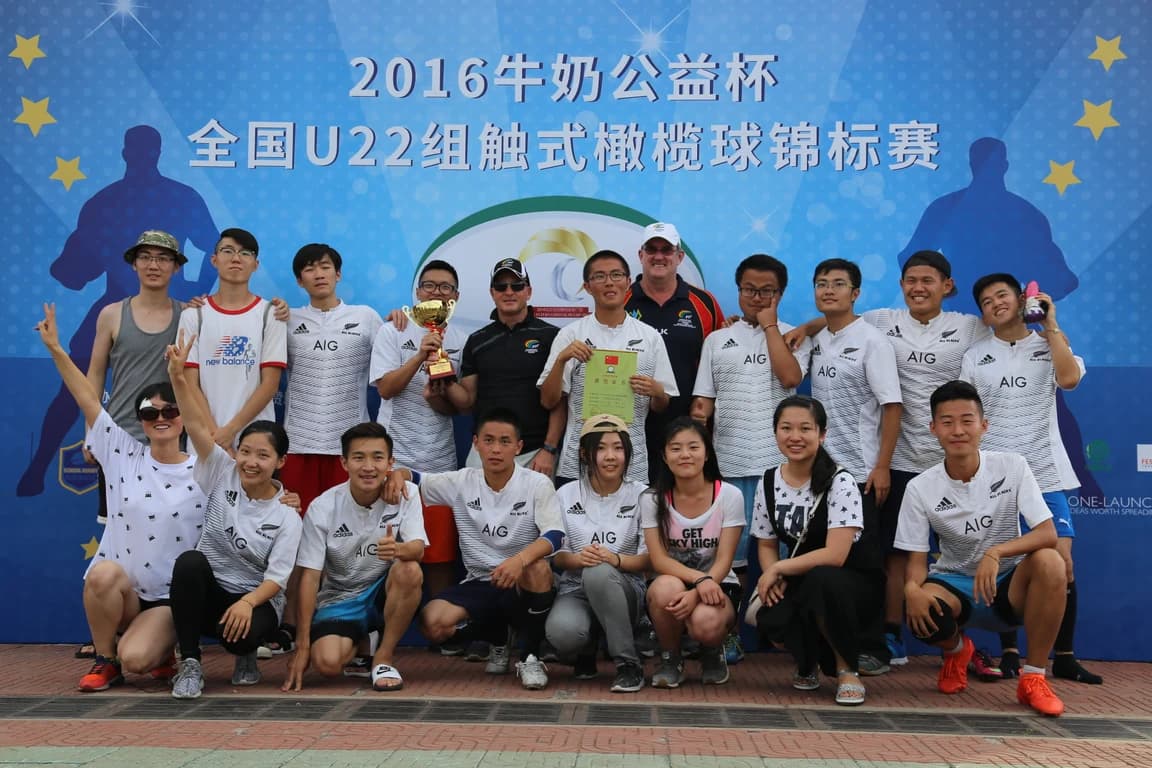
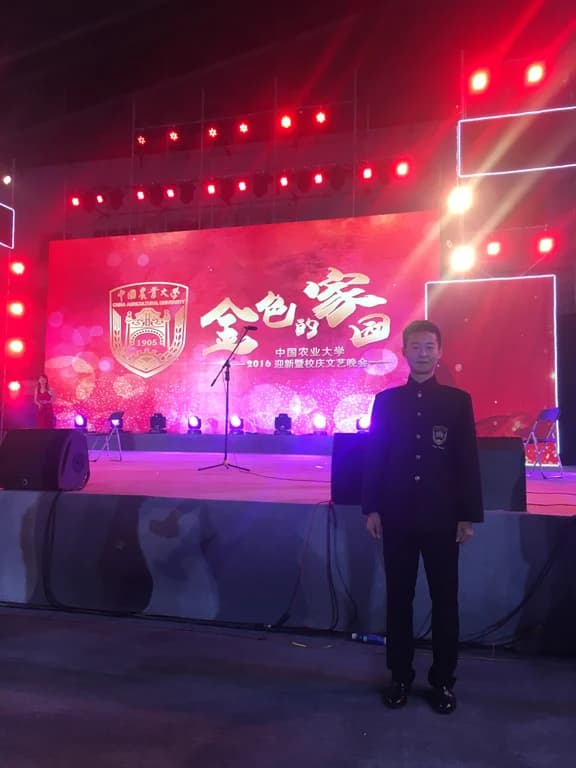
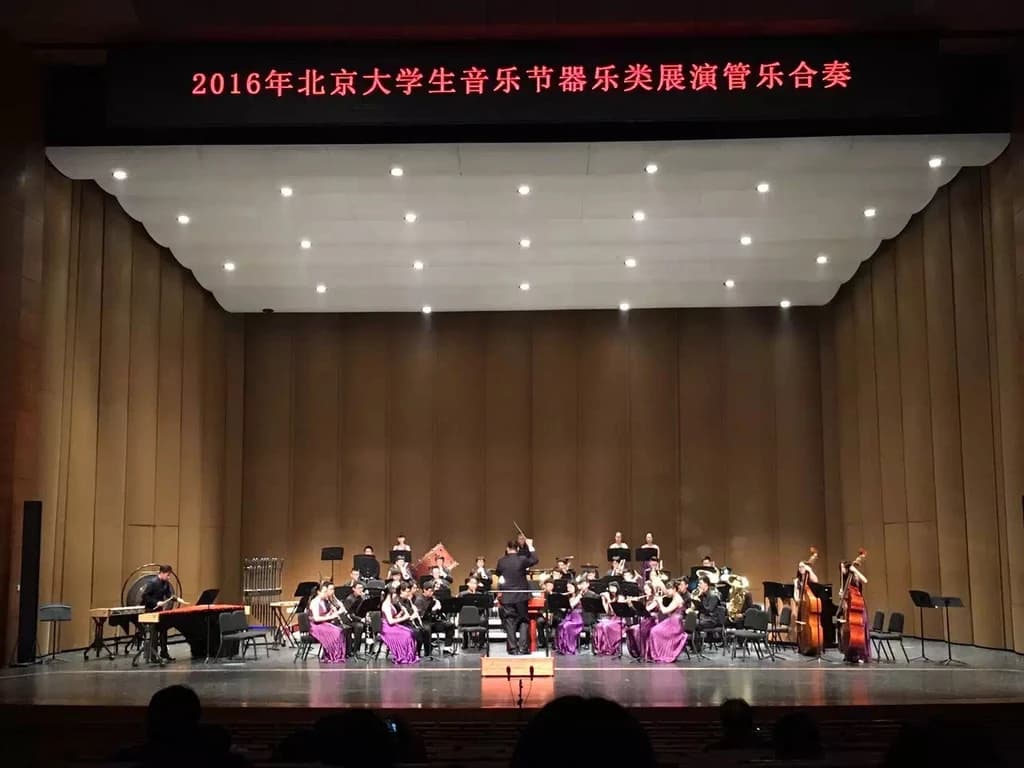
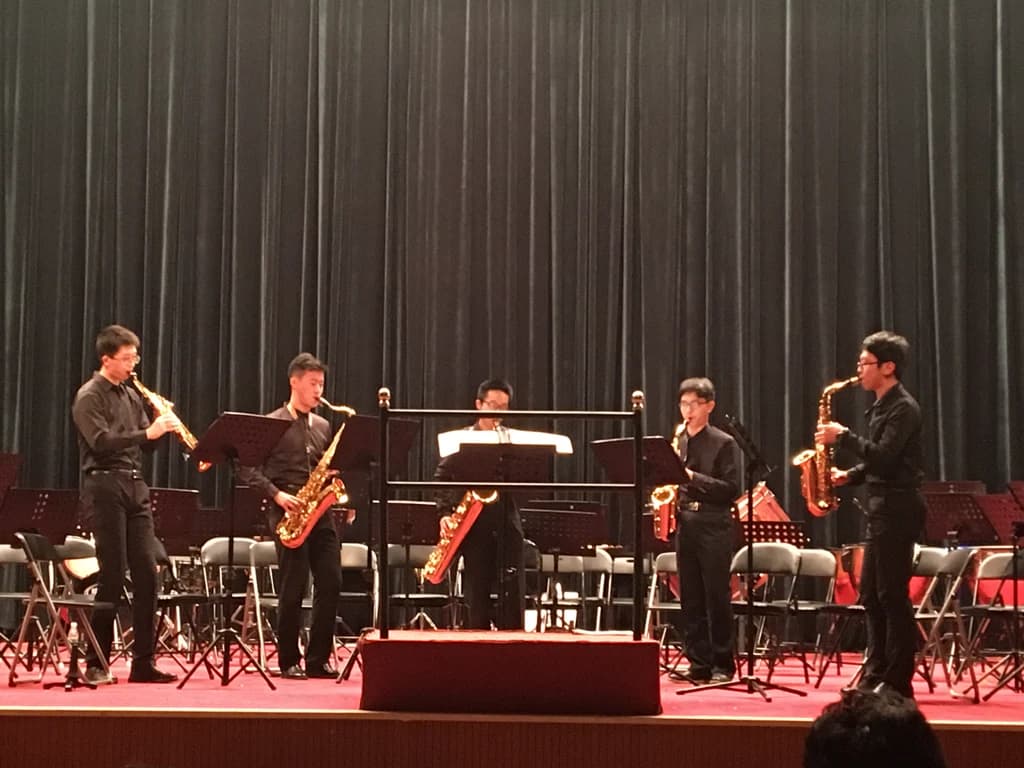
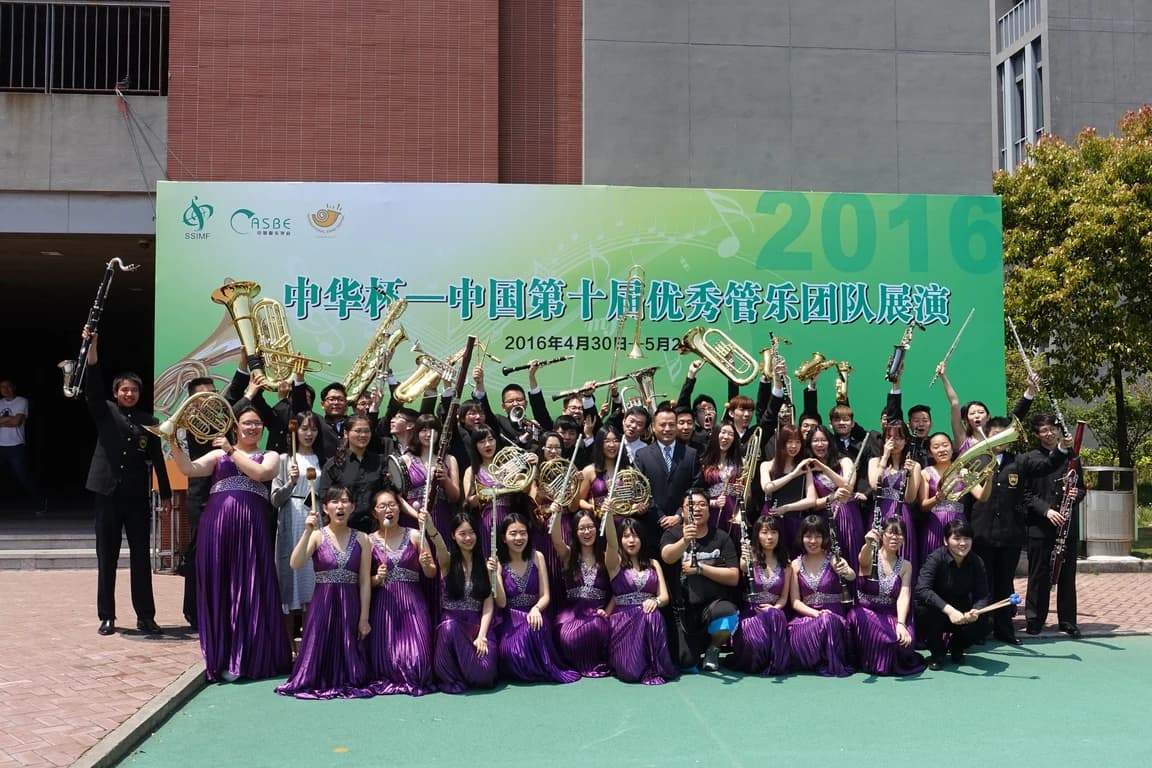
Outside work, I’m drawn to things that are physical, expressive and shared — team sports, live performance, making and photography. I tend to learn by committing, experimenting and staying with something long enough to get better.
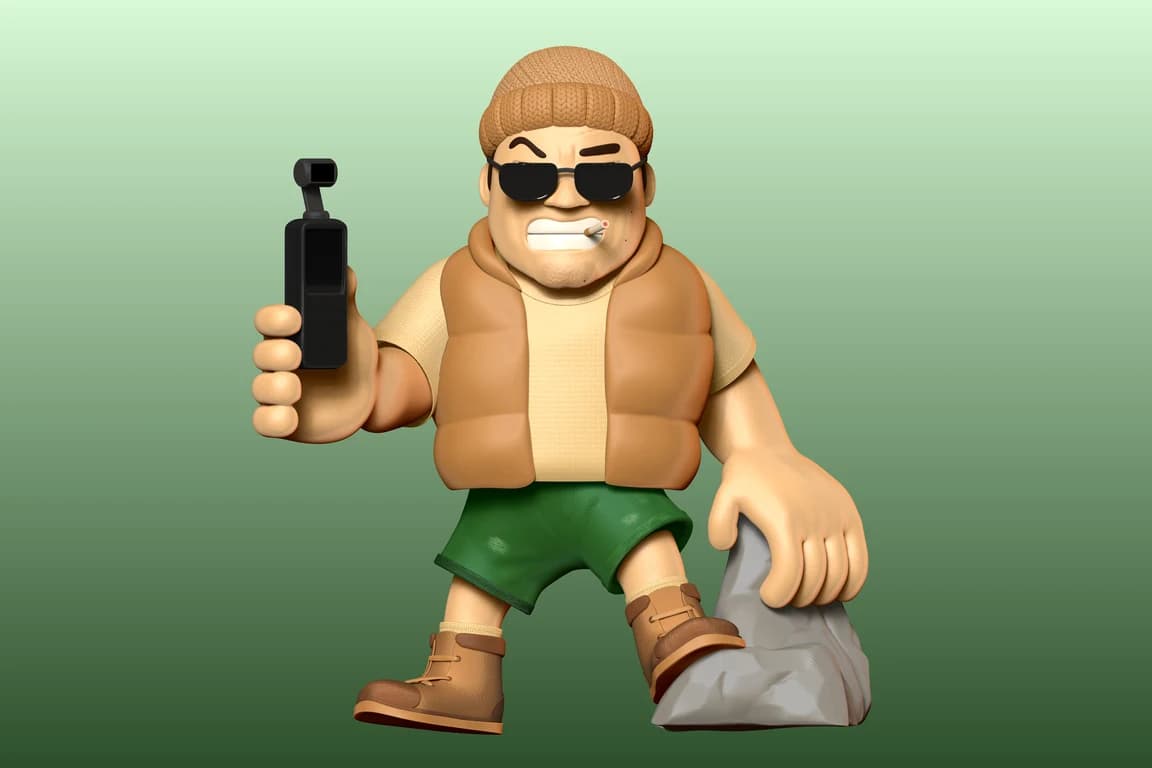
Sometimes that means captaining a football team, learning a new craft from zero, performing on stage — or trying to tackle someone twice my size.